


In 2024, Jim Anderson, the CEO of Coherent, has made headlines for surpassing some of the biggest names in the tech industry, including Elon Musk, to become the highest-paid tech CEO in the United States. Anderson’s total compensation package has reached an astonishing $101 million, which is over a quarter of what many industry leaders, including Musk, typically earn. This is not just a matter of base salary but the result of a strategic compensation structure that emphasizes stock-based rewards over traditional cash payouts.Coherent, a Pennsylvania-based technology company that specializes in laser and photonics systems, has taken a bold step by offering its new CEO a package that ties most of his compensation to long-term performance, much like the tech titans of Silicon Valley.Anderson’s performance-based package includes a modest base salary of $1.06 million, but it’s his stock incentives that truly elevate his earnings. Anderson’s decision to focus on long-term growth has allowed him to secure a compensation deal that has far exceeded the salaries of tech giants like Satya Nadella, Tim Cook, and Jensen Huang.Anderson’s meteoric rise in earnings has sparked a new conversation about how executives in the tech sector are compensated. While many tech leaders have similar compensation structures, Anderson’s pay stands out because it highlights the growing trend of offering performance-based pay packages.
Unlike traditional salary-based pay structures, these packages are designed to incentivize long-term success and align the CEO’s interests with those of the shareholders. Anderson’s strategy mirrors the models used by prominent executives like Musk, Nadella, and Cook, but it also raises important questions about the fairness and sustainability of such pay packages.The biggest challenge that comes with Anderson’s compensation is the increasing size of the pay packages offered to tech CEOs. Over the past decade, the salaries of executives in the tech industry have grown at a rate far outpacing the wages of average workers. While it is argued that these pay packages are reflective of the immense responsibility that comes with running a massive company, critics argue that the growth in executive pay has contributed to the widening wealth gap and corporate inequality.The stock-based compensation packages that are becoming increasingly common in the tech industry tie a significant portion of an executive’s pay to the company’s stock performance. This means that if the company performs well, the executive stands to benefit from significant wealth accumulation. For Anderson, much of his pay is based on stock awards that are tied to long-term company performance.This system is designed to align Anderson’s interests with the shareholders and drive him to increase the company’s value over time. However, there are concerns that this model can create a disconnect between the performance of the company and the executive’s compensation, as the value of stock awards can be influenced by a variety of factors, including market conditions and investor sentiment.
While Anderson’s compensation might seem excessive to some, it is important to understand the context of his pay package within the broader landscape of tech CEOs. Anderson has stepped into a company with ambitious goals, and his compensation is structured in a way that encourages him to focus on long-term growth rather than short-term profits. This has led to significant investments in research and development and the potential for Coherent to become a leader in its field.However, the fact that Anderson’s pay has surpassed that of some of the most well-known tech CEOs in the world raises important questions about executive compensation in the industry. Why are tech CEOs compensated so highly, and what is the true value of their contributions?For many critics, the sheer size of these compensation packages sends the wrong message to employees and shareholders. It highlights the growing disparity between the rewards earned by executives and the pay received by workers on the ground, who often feel the effects of corporate decisions without reaping the financial benefits.As Anderson’s compensation has made waves, it’s important to consider the larger implications of these pay packages in the context of growing public scrutiny over income inequality. While Anderson’s pay package may be considered justified by some, it is also a stark reminder of the immense wealth concentration in the hands of a few individuals. The growing trend of executive pay, especially in the tech industry, has prompted lawmakers and advocacy groups to call for greater accountability in
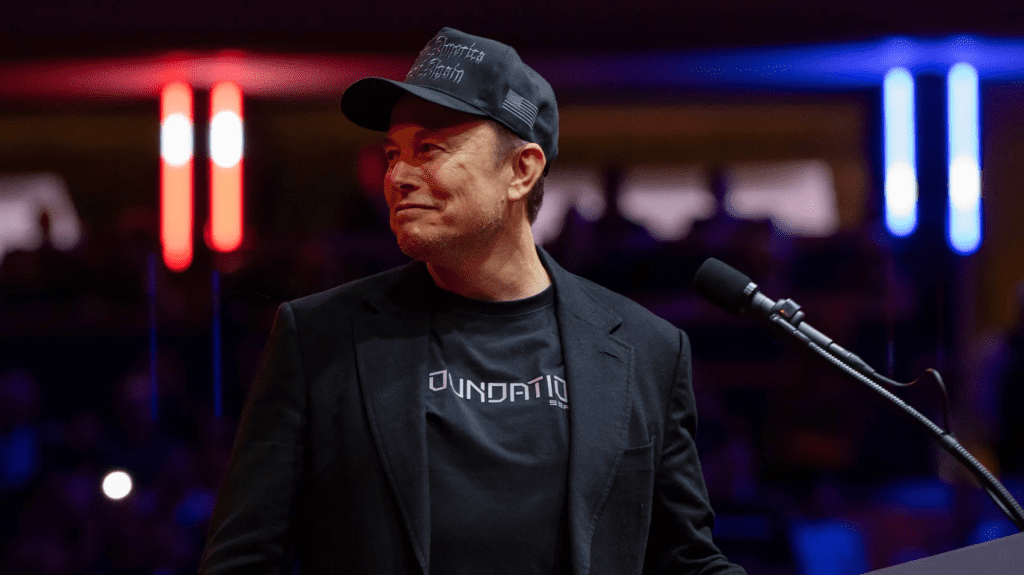
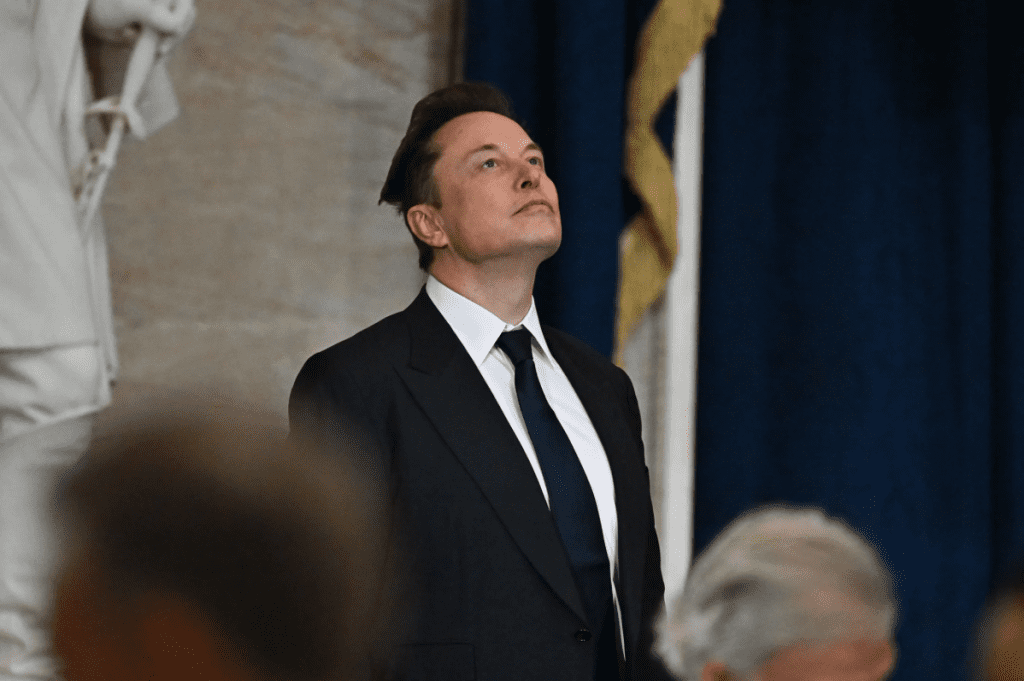
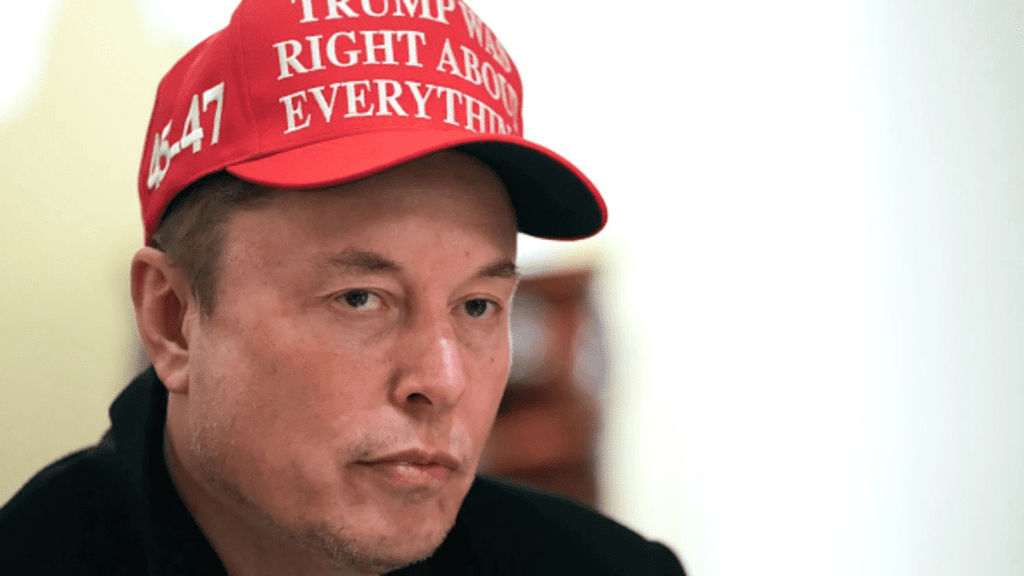
One of the factors that has contributed to the growing debate about executive pay is the public perception of how tech companies operate. Many of these companies, including Coherent, Tesla, and Microsoft, operate in highly competitive markets, and their leaders are often held up as the driving forces behind innovation and progress.However, there is also growing concern about the impact of such compensation packages on the broader economy and society as a whole. As more and more people question the fairness of these pay structures, it is becoming increasingly difficult for companies to justify the exorbitant pay packages of their CEOs.In conclusion, Jim Anderson’s rise to the top of the tech industry’s compensation rankings highlights the growing divide between the wealth accumulated by top executives and the wages earned by workers. While Anderson’s compensation package is tied to long-term performance and has the potential to benefit shareholders, it also raises significant questions about income inequality and the growing concentration of wealth in the hands of a few individuals.As the debate over executive compensation continues to unfold, it will be important to consider how these pay packages reflect the broader dynamics of the tech industry and the society in which these companies operate. As for Elon Musk, his absence from the list of highest-paid tech CEOs in 2024 underscores the ongoing challenges he faces with his compensation package, which is tied to performance-based goals that have yet to materialize fully.
While Musk’s net worth remains astronomical, his struggle to secure a favorable compensation package highlights the complexities of executive pay in the tech world. The future of executive compensation in the tech industry will likely be shaped by these ongoing discussions about fairness, accountability, and the need to balance long-term growth with social responsibility.